Dyslexia Workshops

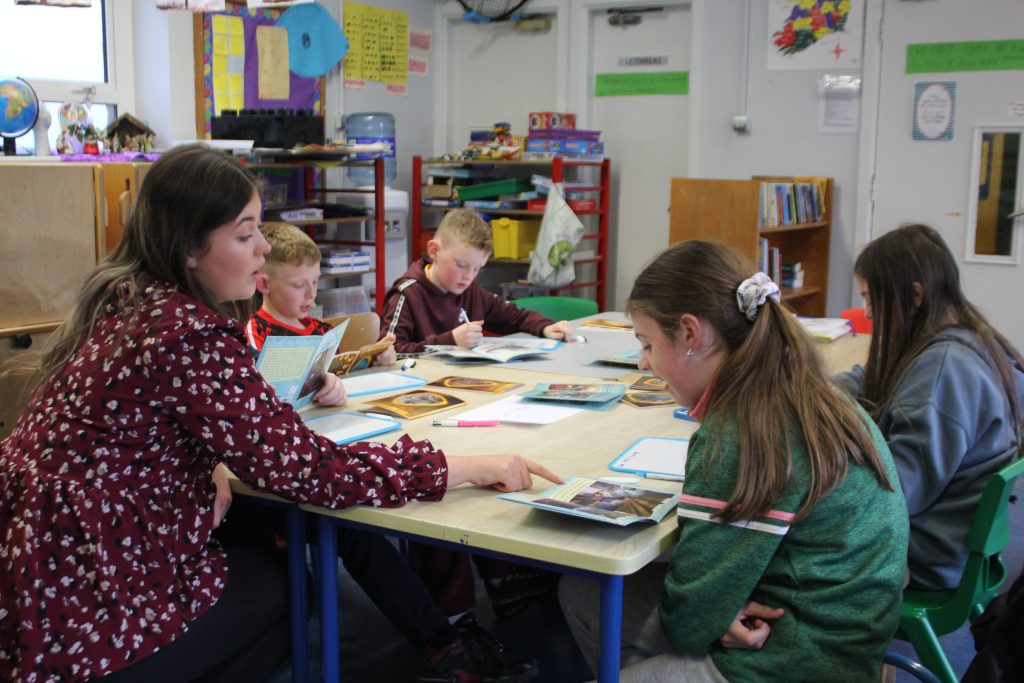
Our after-school weekly workshops offer young people with dyslexia small group tuition that is specifically designed to develop their literacy skills and self-confidence in a friendly and supportive environment.
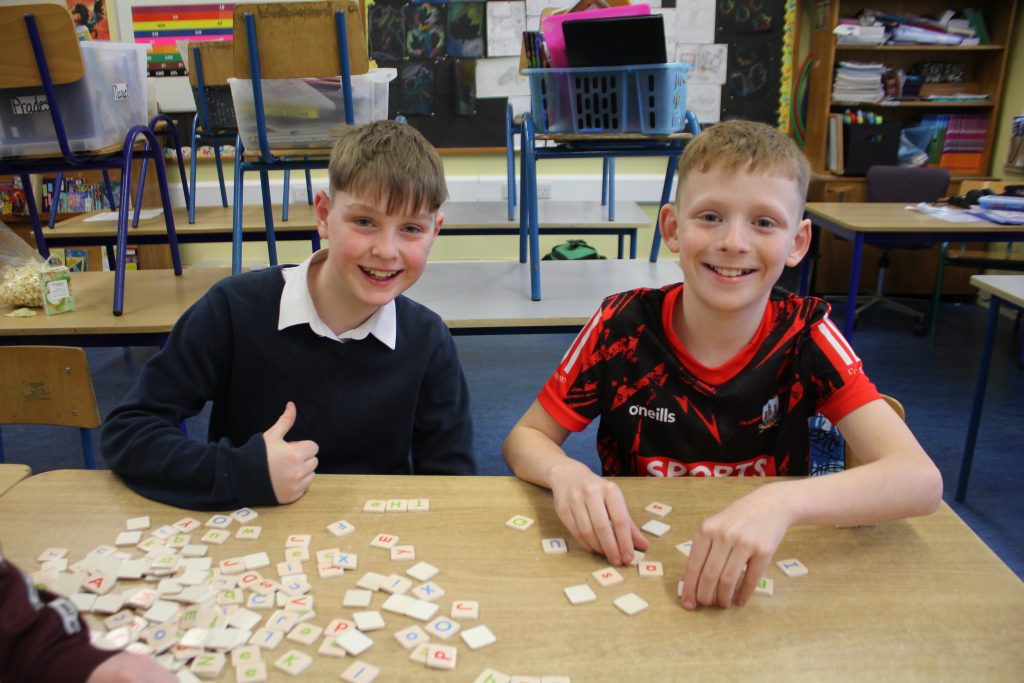
Your local dyslexia workshop supports the students to develop their reading, spelling and writing skills, using a multisensory approach informed by the science of reading. The workshops also focus on developing confidence, and an understanding of dyslexia, with the young people attending.
There are 21 Dyslexia Workshops across Ireland.
What is a Dyslexia Workshop?
Our dyslexia workshops offer specialist, individual tuition in small groups of 8 dyslexic students. Each workshop has classes for a variety of ages (8+) and some offer classes for secondary level students. A workshop normally runs for two hours, once a week, during the autumn and spring terms. The tutors are qualified teachers who have undertaken additional training in teaching methods best suited to teaching students with dyslexia.
The workshops offer teaching in accordance with sound educational theory and best practice for learners with dyslexia. These approaches include multi-sensory teaching and structured literacy programmes. The teaching is based on an understanding of the student’s needs and challenges, and is delivered with encouragement in order to foster trust and collaboration.
Each term the tutor develops group class plans that are designed to meet each student’s individual priority literacy needs/challenges. The tutor differentiates their teaching to maximise individualised learning within the small group setting. In addition, there are processes in place to evaluate overall progress and to help with refining the class plans throughout the term. The workshops aim to build self-esteem, develop trust in the teaching process, and show the student that they can learn.
An important feature of dyslexia workshops is helping each child to develop an awareness of how to approach learning tasks, using supportive strategies and skills. These are explicitly taught and students, from the youngest group onwards, are trained in efficient ways of learning. In addition, time is given over to facilitate students to think about how they are learning (metacognition). The more the learner becomes aware of what they are doing, and how they are learning, the more independent, competent and confident they will become.
Here is what our attendees have to say about the impact of the workshop:
- “My son looked forward to the workshop every week. It was on his level, small classes and great teachers.”
- “My daughter loves going and has gained confidence in reading – it has removed the pressure. She is even reading aloud now, something she would never have done previously.”
- “The workshop helped improve his understanding of dyslexia and also helped with his self-esteem.”
How to apply
To apply for a place for your child in your local workshop for 2026-27, you must submit an application form (see below). Please also read the FAQs below for guidance before you complete the form.
FAQ’s
How do I Complete the Application Form? Click on the button above to complete an application form for your young person. You will need to have the following information at hand to complete the form.
- Your Dyslexia Ireland membership number. To become a member or renew your membership, go to our Membership page. If you have forgotten your membership number, please email membership@dyslexia.ie.
- A second contact person (name and phone number). You will be the first emergency contact person, but we must have a second person in case we cannot reach you.
- Essential medical information or information about co-occurring neurodivergence or disabilities related to your young person that needs to be shared with the Workshop staff.
Do I need to provide supporting educational information? New applicants have the option to upload either your child’s educational psychological assessment report or information from the school about your child’s dyslexic profile. While this is optional, on occasion, the workshop coordinator may need to see this to best support your young person.
If you choose to upload documents as part of this application, you will need to be on a device where you can access these documents to upload them; it is best to do this on a computer rather than a phone. You may upload up to 3 files. The maximum file size for each is 256Mb (which is a large size allowance), and the accepted file formats are: pdf, doc, jpg, gif and png.
How and When are Places Allocated for New Applicants? For new applicants, all applications will be reviewed by the local Workshop Coordinator. When a place becomes available in your young person’s age/class group, you will be contacted by the coordinator by email and asked to confirm the place by paying a deposit of €50.
All applicants must have a dyslexic profile to be considered for a place. Applications will be processed and places given in the following order:
- Students who have previously attended the workshop.
- Students whose sibling is (or was) attending the workshop.
- All other applicants will be given a place based on who applied first and the availability of places in the appropriate age group/class.
How and When were Places Allocated for Returning Students? For returning students, once you submitted your Returning Student’s Form and paid your deposit by May 31st, 2026 your young person’s place was then secured for the 2026-2027 workshop year.
Where Can I Find Specific Information on my Local Workshop e.g. Location, Term Dates, Times, Contact Details? Term dates and times, and workshop locations can be found on our Workshop Locations page, where you will also find details on the age range each workshop caters for. If your young person has been offered a place, your local Workshop Coordinator will be in contact with further details at the end of August 2026 before the new term starts.
What are the Fees? Dyslexia Ireland is a non-profit organisation. Each Dyslexia Workshop is self-financing; this means that workshop fees are set to just cover the workshop’s running costs. The standard fee for 2026-2027 is €35 per two-hour workshop session, i.e. €350 for a 10-week term, or €420 for a 12-week term. There are two terms each year, autumn and spring. Once your child has been offered a place, you will be asked to pay a deposit of €50 to confirm the place (this deposit of €50 must be paid by all; the sibling discount and fee support are applied to the remainder of the fee for relevant individuals). Payment requests (statements & invoices) will be emailed to you after the start of each term. All fees must be paid in full before the end of each term.
Is There Financial Support Available? Yes. If you are experiencing financial challenges, you can apply for Fee Support. You can do so by submitting the Workshop Fee Support Form; the eligibility criteria is explained on the form. We also offer a 10% fee discount for all siblings when 2 or more attend a workshop.
Is Technology Used in the Workshops? Assistive technology is used in some workshops to support and develop literacy skills and as a means of assisting students to more readily access school work. It also gives students an opportunity to familiarise themselves with their own devices.